










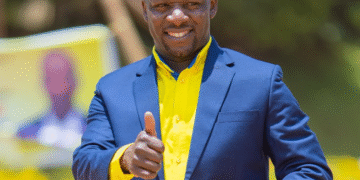


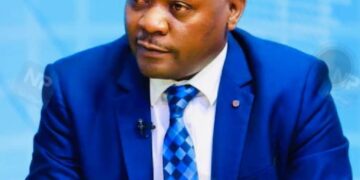

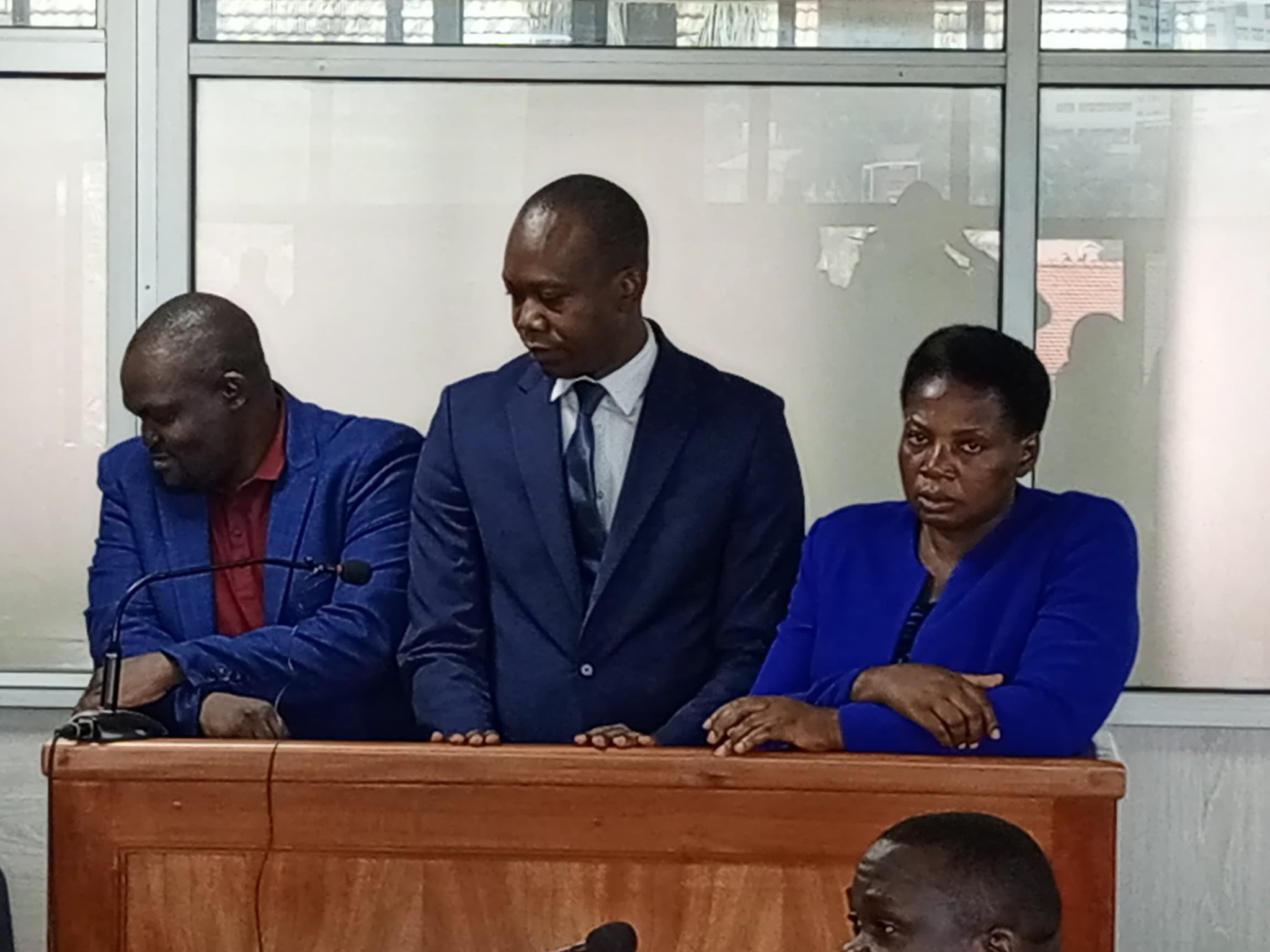
KAMPALA, Uganda: January 07, 2025– The Uganda Law Society (ULS) has condemned the Directorate of Public Prosecutions (DPP) for what it calls the “arbitrary and unconstitutional” withdrawal of corruption charges against three high-profile Members of Parliament from the ruling National Resistance Movement (NRM).
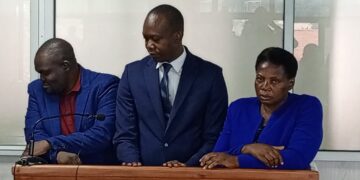
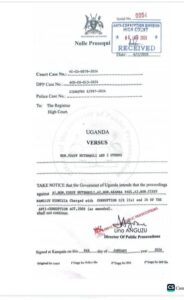
The strong worded statement, signed by ULS Vice President Asiimwe Anthony, follows the decision by DPP Lino Anguzu to enter a nolle prosequi—a formal notice of abandonment of prosecution—in the case involving Hon. Yusuf Mutembuli, Hon. Paul Akamba, and Hon. Cissy Namujju.
The three legislators were accused of soliciting a 20% kickback from the Uganda Human Rights Commission (UHRC) budget. Prosecution alleged that the MPs offered to use their influence over the Parliamentary Budget Committee to increase the commission’s funding in exchange for the illegal cut.
The ULS expressed particular alarm because the withdrawal comes after substantial evidence had already been presented in court.
”The withdrawal of charges is particularly alarming given that the Chairperson of the [Human Rights] Commission, Hon. Mariam Wangadya, previously testified in court as Prosecution Witness No. 1 and indicated the existence of audio recordings allegedly capturing the solicitation of bribes,” the statement reads.
Selective Justice and “Double Standards”
The lawyers’ body accused the state of maintaining a “double standard” in its administration of justice. The ULS highlighted a recurring pattern where powerful political figures are shielded from accountability while activists and opposition figures face “baseless charges” and “punitive remands.”
To support this claim, the ULS cited the 2022 case of businessman Hassan Basajjabalaba. Charges against him were withdrawn on the promise that investigations would continue; however, four years later, no charges have been reinstated.
”This recurring pattern fuels a legitimate and unavoidable public perception of selective justice, where members of the NRM are insulated from accountability while the law is weaponized against opposition and civil society activists,” the ULS stated.
Constitutional Mandate
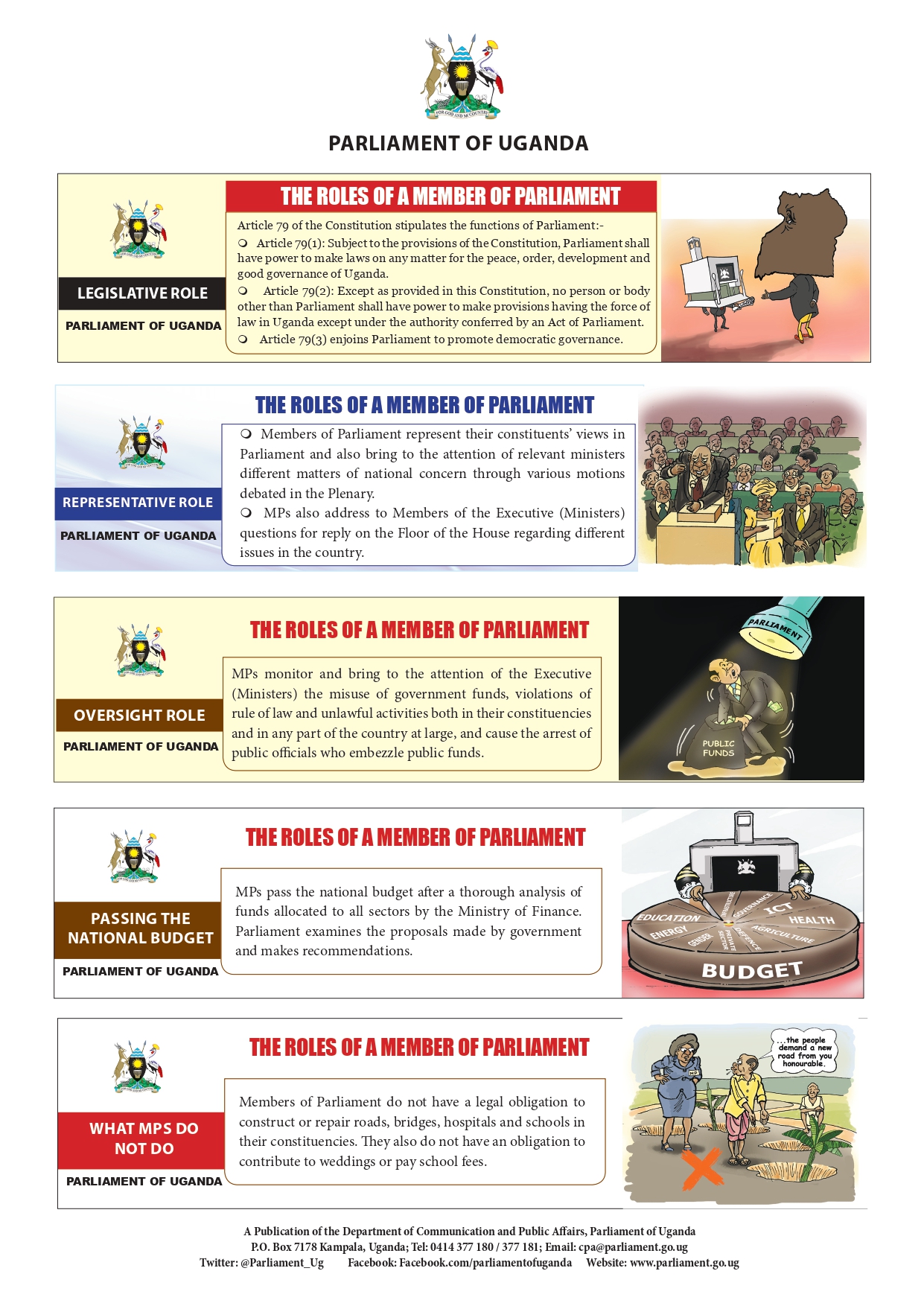
While acknowledging that Article 120(3)(d) of the Constitution empowers the DPP to discontinue proceedings, the Law Society argued that this power is not absolute. They reminded the ODPP that Article 120(5) requires such discretion to be exercised in the “public interest” and the “interests of justice.”
The ULS is now demanding a “clear, public, and reasoned explanation” from the Office of the DPP, asserting that the Ugandan people are entitled to transparency in cases involving the theft of public resources.
The Office of the DPP has not yet issued a formal response to the Law Society’s demands.