
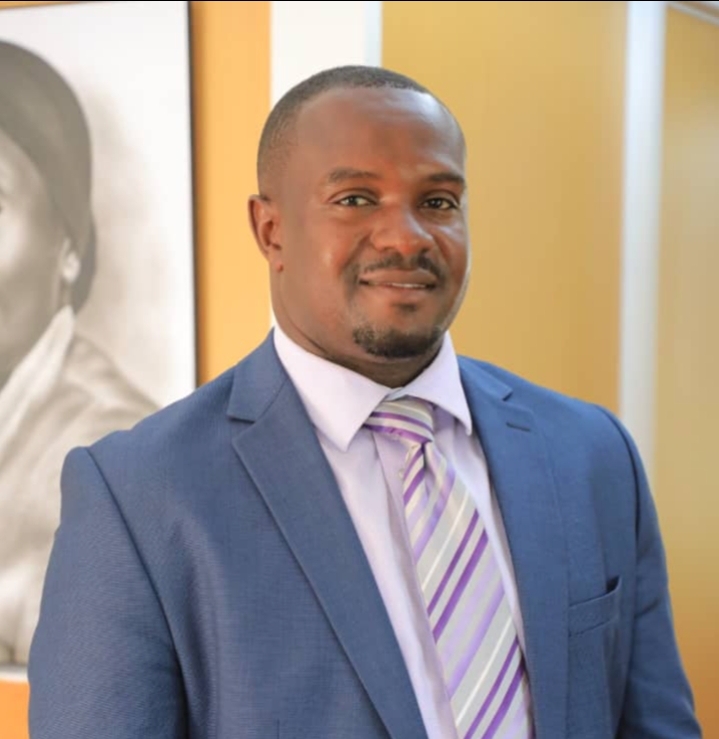
By Jamil Kazibwe
It is often said that success has a thousand fathers, while failure is an orphan. In the wake of President Yoweri Kaguta Museveni’s recent electoral triumph, it is no surprise that various actors—including some whose contributions were negligible or even counterproductive—are now clamoring to claim credit for the NRM’s resurgence.
However, for any astute observer of Ugandan politics, the “silver bullet” was not found in high-level boardrooms. Instead, it lay in a fundamental shift in strategy: the transition from a traditional top-down campaign model to a radical, grassroots-led mobilization drive.
A Paradigm Shift in Mobilization
In previous cycles, the NRM relied heavily on a National Task Force—a centralized body that often struggled to maintain local relevance. This time, the party revolutionized its approach by opting for a structure-led mobilization.
This was not merely a change in name; it was a psychological and operational shift that empowered the party’s base. By leveraging the NRM Secretariat to activate structures across all 72,000 villages, the campaign fostered a genuine sense of local ownership. For the first time, village leaders weren’t just spectators; they were the primary drivers of the “NRM gospel.”
Sustaining the Momentum
Historically, a common pitfall for the NRM was the “post-visit slump.” Once the presidential candidate concluded a rally in a specific district, the campaign energy would often dissipate. The new grassroots model solved this by:
Decentralizing Dialogue: Simultaneous “village conversations” ensured the message stayed fresh and relevant at the household level.
Maintaining Vibe & Momentum: Local structures kept the campaign alive from the day of the President’s visit right up to the opening of the polls – Nga tewali kuzikiza!.
Fostering Unity: This approach bridged the gap between the party leadership and the common voter, creating an unprecedented unity of purpose.
A Multi-Pronged Success
While this grassroots strategy was the cornerstone, its success was bolstered by several specialized interventions. Despite logistical challenges and the occasional mismanagement of resources, the core objectives were achieved through a “Total War” approach:
Special Operations: Targeted political maneuvers led by veteran strategist Mr. Moses Byaruhanga.
The ONC Initiative: Robust grassroots engagement and youth-centric “Bazzukulu” mobilization under Hajjat Hadijah Namyalo.
Socio-Economic Interventions: Direct engagement with “Ghetto youths” structures, and the visible impact of other NRM flagship livelihood programs.
The Ultimate Brand: Museveni
At the heart of these efforts remained the unique appeal of the NRM candidate himself. President Museveni continues to be viewed by the majority as the primary guarantor of peace, stability, and continuity. The strategy succeeded because it effectively translated this “Jajja” brand into local, actionable votes.
Therefore, the 71% victory for Museveni was not an accident of history or the result of a single person’s effort; it was the logical outcome of a party that finally decided to go back to its roots. And the strategy worked perfectly well.
Jamil Kazibwe is a Patriotic Ugandan and a passionate Mobilizer for the ruling National Resistance Movement -NRM